THE MELTING POT:
SPECIAL COLUMN: THREE JULY CELEBRATIONS
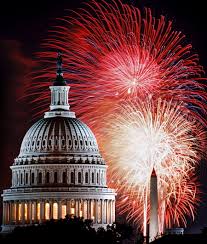
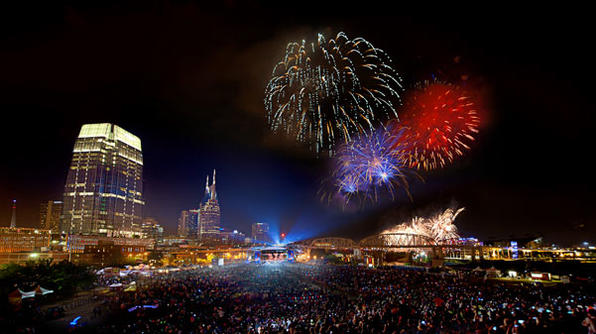
Just as we celebrate our Independence
Day on July 4th this year the citizens of Canada celebrate their equivalent,
Canada Day (their independence from England), on July 1st and the French celebrate
their Bastille Day on July 14th. All of
these celebrations incorporate fireworks, parades and foods into their fests.
The Canadians have always been an
important part of American history and have been emigrating here since
1850. There is no accurate count but
they came in the millions over a several year period. 33,000-55,000 Canadians fought in our Civil
War. We share two borders; the extensive
bilateral trade is $2 billion a day and 300,000 people cross the borders every
day.
Some of the foods prepared for Canada
Day (July 1 – independence from Britain) could be: Beef or Bison Kabobs with Great Canadian Steak Spice, Tomatillo Salsa for Avocados (Mexican), Tzatziki on grilled meats (Greek and Turkish
yoghurt based sauce), Canada Day Cake (strawberry maple-leaf flag cake), Chai (Indian) Mango Lemonade, Chicken Sandwich on a Pita, Cold Buttermilk Fried Chicken Drumsticks, Cookies and Cream Torte (French), Curried Lentil, Wild Rice and Orzo Salad (Indian and Far Eastern), Garlicky Prime Rib and Rosemary Rack of Pork, Green Bean and Barley Salad, Grilled Balsamic Vegetables, Kimchi Slaw (Korean), Maple Buttermilk Grilled Chicken and Maple Leaf Sugar Cookies.
During the 1790s, as a result of the
French Revolution, numerous voluntary and forced exiles sought asylum in
several American eastern cities and became an integral part of our society.
Bastille Day is celebrated in France to celebrate the storming of the Bastille prison
housing many political prisoners of the monarchy in 1789. And of course like the Canadians and
Americans they celebrate with fireworks and food!!
Some of foods prepared might be Canard À L'Orangina (orange duck), Steak Tartare (raw steak prepared with
shallots, cornichons and tons of fresh herbs), Bouillabaisse (classic seafood dish from
Marseille), Pan Bagnat (sandwich stuffed with Salade
Niçoise ingredients
like summer tomatoes, tuna and olives and packed into a solid, crusty French
bread), Tarte l’Oignon (onion tart), Pissaladiere (a Nicoise pizza of
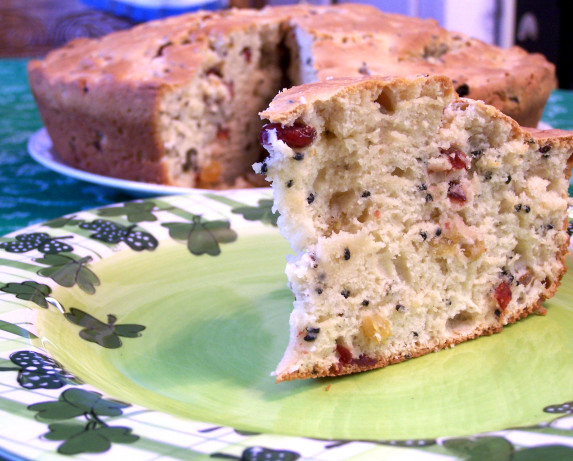
caramelized onions, anchovies), le français yogourt gâteau (French yoghurt cake) and, of
course, French cheeses with Baguettes.
What did the Americans eat in the 18th century? Entertainment took place in the tavern: An "elegant entertainment" for 24 in 1786, for example, consisted of turtle soup, boned turk,ey, roast duck, veal, beef, jellies, puddings, pies, preservs, almonds, raisins, nuts, apples and oranges. Beverages included Madeira wine, English porter (beer), punch, brandy and bitters. Common "everyday foods" in 1765 and now: hot dogs, hamburgers, corn on the cob, apple pie, cold slaw and sometimes clam bakes.
What did the Americans eat in the 18th century? Entertainment took place in the tavern: An "elegant entertainment" for 24 in 1786, for example, consisted of turtle soup, boned turk,ey, roast duck, veal, beef, jellies, puddings, pies, preservs, almonds, raisins, nuts, apples and oranges. Beverages included Madeira wine, English porter (beer), punch, brandy and bitters. Common "everyday foods" in 1765 and now: hot dogs, hamburgers, corn on the cob, apple pie, cold slaw and sometimes clam bakes.
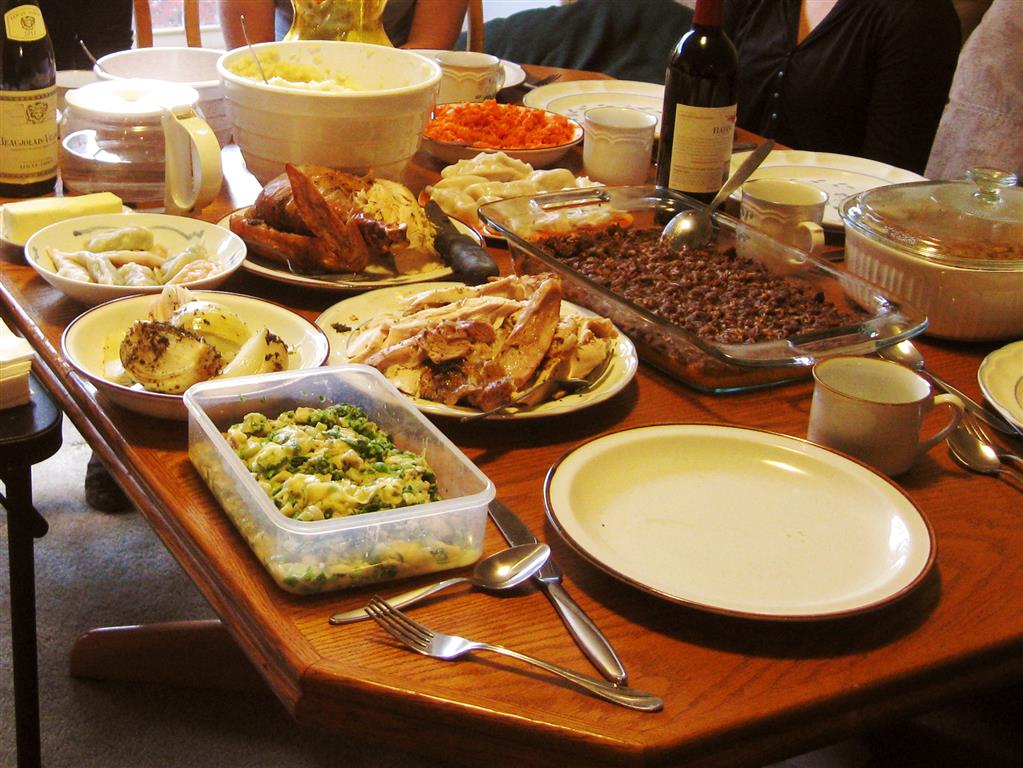
July 4th or Independence Day: Foods
eaten in the US today could be Hot Dogs aka Frankfurters (German), Hamburgers (German),
Corn on the Cob, Root Beer Baked Beans, Gazpacho (Mexican), Lemonade Iced Tea,
Blackberry Cocktail, Brown Sugar Fruit Dip, Tomato and Watermelon Salad, Tomato-Mozzarella
Basil Salad (Italian), Brown Sugar Fruit Dip, Deviled Eggs, Slaw dogs,
Sweet-Hot Baby Back Ribs, Louisiana Crawfish Boil, Mixed Grill with Pesto, Carolina-Style
Barbecue Chicken, Fried Chicken, Succotash Salad, Pasta Salad, Grilled Okra and
Tomatoes, Raspberry-Banana-Yogurt Freezer Pops, Homemade Ice Cream, Funnel
Cakes (Belgian), Fresh Berry Pie and Peach Cobbler (Egyptian galette).
For recipes from 1700s to 1960s and
modern day links, visit www.ThePAMeltingPot.com.
Christine Willard, a native of western Pennsylvania, researches and blogs about
the food unique to western Pennsylvania. She currently resides in North
Carolina.
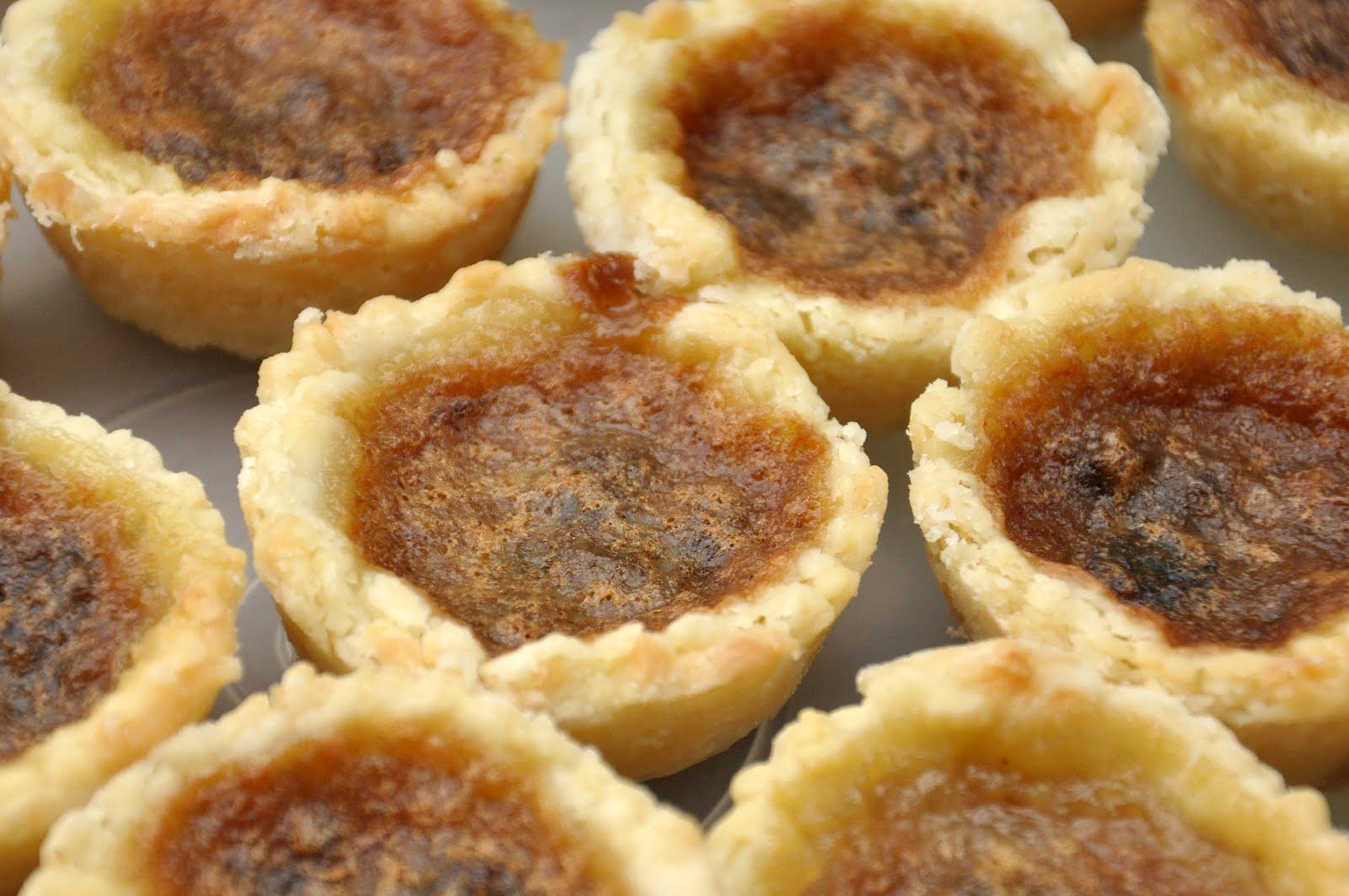
CANADIAN PHOTOS




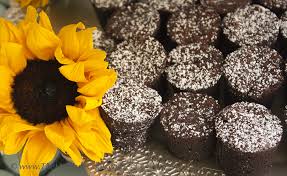
FRENCH PHOTOS




USA PHOTOS