Showing posts with label foods. Show all posts

Wednesday, January 20, 2016

THE PA MELTING POT: 9-4 A Southern Europeans: Italians from Abruzzi/Abruzzo and Molise


The PA Melting Pot:  Southern Europe:  9 - 


Italians 4 A - Abruzzi aka Abruzzo and Molise


Western PA is comprised of 13 to 16% Italian-Americans.  We do know that many came from south central and southern Italy such as the regions of Calabria, Campania, Apulia, Abruzzi aka Abruzzo, Molise, Basilicata and Sicily. Southern Italy was impoverished. The immigrants left to find work.  The country itself only became united in 1861 so the immigrants from the different regions considered themselves Calabrians, Campanians, Sicilians, etc. instead of Italians and they settled with their own paesani (villagers). 

From 1876-1924, more than 4.5 million Italians arrived in the US and over two million more came in the years 1901-1910.


NOTE ABOUT ITALIAN CUISINE: Italian cuisine (one of the oldest cuisines in the world) developed through centuries of social and political changes with roots as far back as the 4th century BCE. Italian cuisine has its origins in Etruscan, Greek and ancient Roman cuisines.   These two Italian regions are located in the south central part of Italy.  They are traditionally lumped together as one since the culture, cuisine, wines and proximity are so similar and at one time they were co-joined.  The most famous dish in Abruzzi is arrosticini (lamb on sticks cooked over coals) and in Molise it is cavatelli (homemade macaroni type pasta served with meat sauce, broccoli or mushrooms).

They are famous for their regional specialties, cheeses and wines.  Pasta, meat and vegetables are central to the two cuisines. Chili peppers (pepperoncini) which are called diavoletti or “little devils” because of their spicy heat are popular. Due to the shepherding in the area many lamb dishes are popular, many of which are served with pasta. Mushrooms (usually wild ones), rosemary, garlic, hot chili pepper, aromatic saffron and fruity olive oil are prominent in Abruzzi-Molise cuisine. Also raised on the coast are carrots, potatoes, spinach, peppers, tomatoes, figs and plumsIt is also important to note that the extra virgin olive oil produced locally is rated as one of the best in the country.

Formaggi (cheeses) include cow’s/buffalo’s/ewe’s milk such as Caciacavallo, Caciofione, Mozzarella, Pecorino, Provola/provolone, Ricotta, Ricottina and Scamorza.


   Cucina (cuisine) dishes include Brodetto (fish stew seasoned with oil, garlic, tomato, onion, chopped parsley and wine vinegar), Capocollo (cured neck of pork), Cif Cin (pork dish flavored with garlic and rosemary), Maccheroni alla chitarra (special shaped pasta served with lamb sauce), Mortadella di compotosto (very garlicky Italian sausage), Mulette (smoked salt pork), Orecchie di preti (“Priests’ ears” pasta), Papicci al pomodoro (a kind of pasta with tomatoes) and Pincigrassi (pasta made with egg & alternating layers with chicken livers, sweetbreads, sausage, onions, truffles and Marsala then topped with cheese and baked). As for other seafood cod, red mullet, clams and mussels are also popular.

Dessert (desserts) include biscotti, calgiones (calzones), torroni (a round cake honey, sugar, egg white and nuts), scrippelle (crepes), fritelle (fritters) and Le torte dolci (sweet cakes).

Alcool (alcohol) drinks:  Ceneterbe (Hundred Herbs) is a strong 72% alcohol, spicy herbal liqueur drunk by the locals.  Another liqueur is Genziana distilled from gentian roots. (Gentian is an herb root often associated with good digestion).

Vino (wines):  Montepulciano DOCG and Trebbiano d’Abruzzo DOC are considered among the world’s finest wines. In 2012 a bottle of Trebbiano d”Abruzzo Colline Teramane ranked #1 in the top 50 Italian wine awards.


LINKS


Wednesday, June 24, 2015

THE PA MELTING POT: SPECIAL: July holidays 2015


PHOTOS BELOW COPY:

THE MELTING POT: SPECIAL COLUMN: THREE JULY CELEBRATIONS
                                                                                                                           
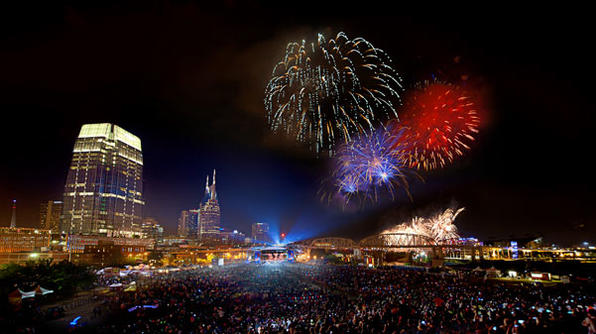
Just as we celebrate our Independence Day on July 4th this year the citizens of Canada celebrate their equivalent, Canada Day (their independence from England), on July 1st and the French celebrate their Bastille Day on July 14th.  All of these celebrations incorporate fireworks, parades and foods into their fests. 

The Canadians have always been an important part of American history and have been emigrating here since 1850.  There is no accurate count but they came in the millions over a several year period.  33,000-55,000 Canadians fought in our Civil War.  We share two borders; the extensive bilateral trade is $2 billion a day and 300,000 people cross the borders every day.

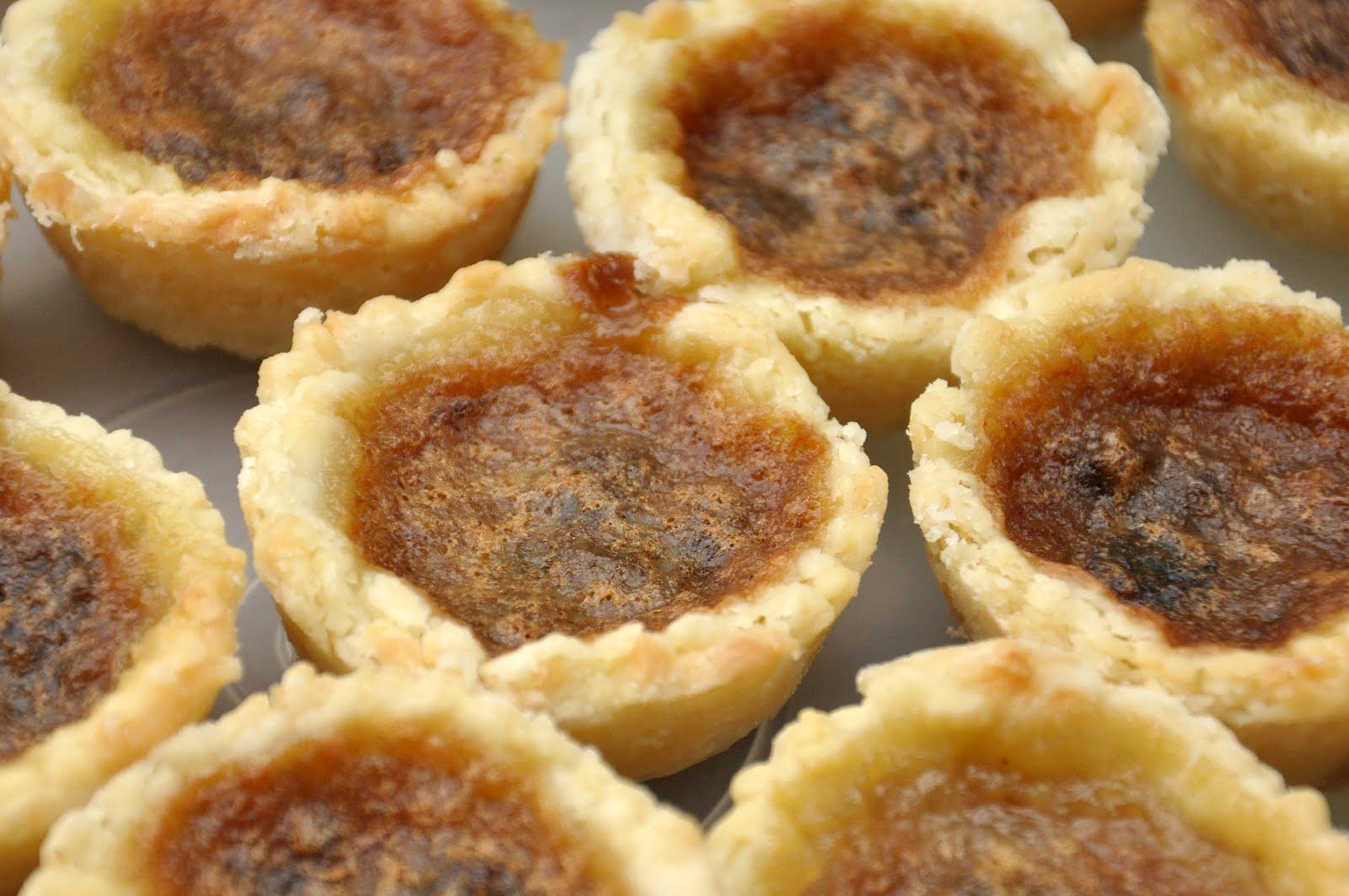
Some of the foods prepared for Canada Day (July 1 – independence from Britain) could be:  Beef or Bison Kabobs with Great Canadian Steak Spice,  Tomatillo Salsa for Avocados (Mexican), Tzatziki on grilled meats (Greek and Turkish yoghurt based sauce), Canada Day Cake (strawberry maple-leaf flag cake), Chai (Indian) Mango Lemonade, Chicken Sandwich on a Pita, Cold Buttermilk Fried Chicken Drumsticks, Cookies and Cream Torte (French), Curried Lentil, Wild Rice and Orzo Salad (Indian and Far Eastern), Garlicky Prime Rib and Rosemary Rack of Pork, Green Bean and Barley Salad, Grilled Balsamic Vegetables, Kimchi Slaw (Korean), Maple Buttermilk Grilled Chicken  and Maple Leaf Sugar Cookies.

During the 1790s, as a result of the French Revolution, numerous voluntary and forced exiles sought asylum in several American eastern cities and became an integral part of our society.  Bastille Day is celebrated in France to celebrate the storming of the Bastille prison housing many political prisoners of the monarchy in 1789.  And of course like the Canadians and Americans they celebrate with fireworks and food!!  

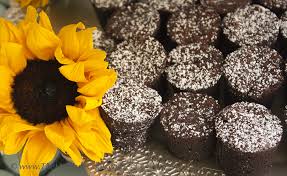
Some of foods prepared might be Canard À L'Orangina (orange duck), Steak Tartare (raw steak prepared with shallots, cornichons and tons of fresh herbs),  Bouillabaisse (classic seafood dish from Marseille),  Pan Bagnat (sandwich stuffed with Salade Niçoise ingredients like summer tomatoes, tuna and olives and packed into a solid, crusty French bread), Tarte l’Oignon (onion tart), Pissaladiere (a Nicoise pizza of caramelized onions, anchovies), le français yogourt gâteau (French yoghurt cake) and, of course, French cheeses with Baguettes. 

What did the Americans eat in the 18th century?  Entertainment took place in the tavern:  An "elegant entertainment" for 24 in 1786, for example, consisted of turtle soup,  boned turk,ey, roast duck, veal, beef, jellies, puddings, pies, preservs, almonds, raisins, nuts, apples and oranges.  Beverages included Madeira wine, English porter (beer), punch, brandy and bitters.  Common "everyday foods" in 1765 and now:  hot dogs, hamburgers, corn on the cob, apple pie, cold slaw and sometimes clam bakes. 


July 4th or Independence Day:   Foods eaten in the US today could be Hot Dogs aka Frankfurters (German), Hamburgers (German), Corn on the Cob, Root Beer Baked Beans, Gazpacho (Mexican), Lemonade Iced Tea, Blackberry Cocktail, Brown Sugar Fruit Dip, Tomato and Watermelon Salad, Tomato-Mozzarella Basil Salad (Italian), Brown Sugar Fruit Dip, Deviled Eggs, Slaw dogs, Sweet-Hot Baby Back Ribs, Louisiana Crawfish Boil, Mixed Grill with Pesto, Carolina-Style Barbecue Chicken, Fried Chicken, Succotash Salad, Pasta Salad, Grilled Okra and Tomatoes, Raspberry-Banana-Yogurt Freezer Pops, Homemade Ice Cream, Funnel Cakes (Belgian), Fresh Berry Pie and Peach Cobbler (Egyptian galette).


For recipes from 1700s to 1960s and modern day links, visit www.ThePAMeltingPot.com. Christine Willard, a native of western Pennsylvania, researches and blogs about the food unique to western Pennsylvania. She currently resides in North Carolina.

CANADIAN PHOTOS


FRENCH PHOTOS


USA PHOTOS